Популяризация знаний о линейных направляющих
Nov 21, 2025
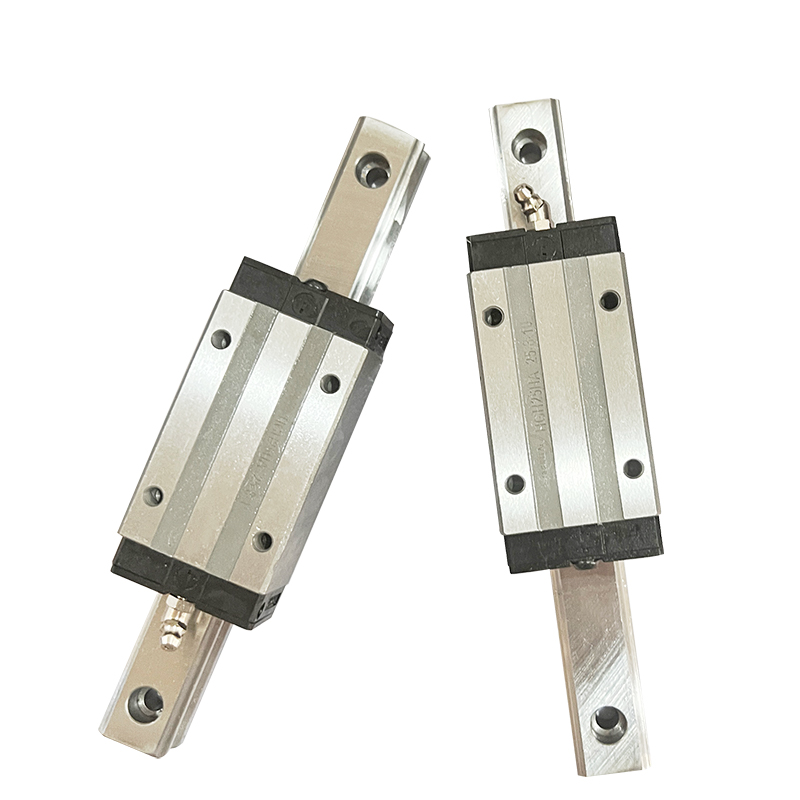
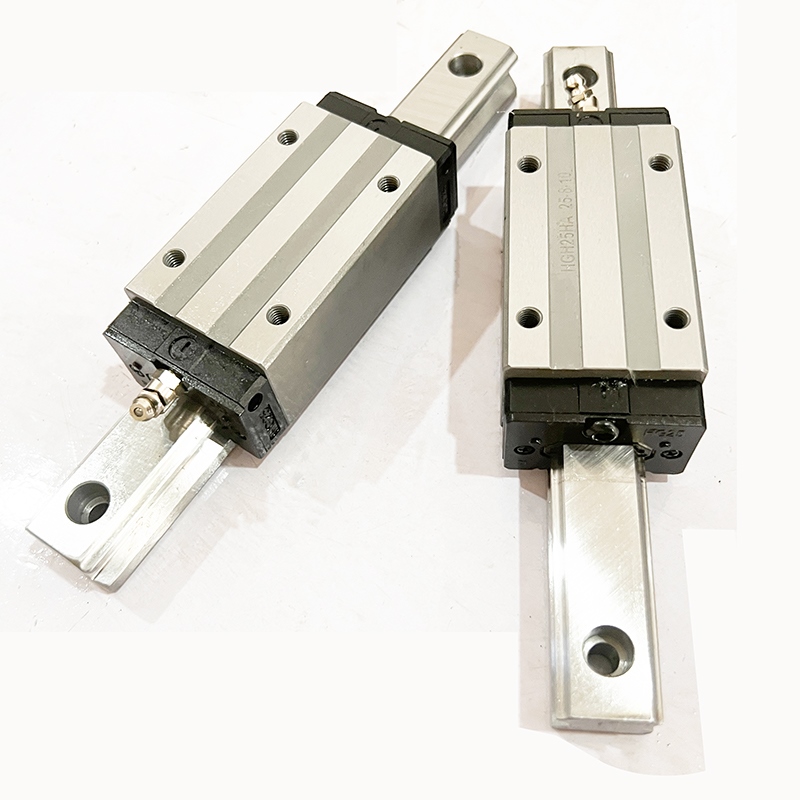
【Линейные направляющие】Линейные направляющие можно разделить на шариковые, роликовые и колесные. Они используются для поддержки и направления движущихся частей, позволяя им совершать возвратно-поступательное линейное движение в заданном направлении. В зависимости от характера трения линейные направляющие можно классифицировать на направляющие со скользящим трением, направляющие с катящимся трением, направляющие с упругим трением и направляющие с жидкостным трением. 1. Определение: Линейные направляющие, также известные как линейные рельсы, направляющие скольжения или линейные направляющие, используются в системах линейного возвратно-поступательного движения и способны выдерживать определенный крутящий момент, обеспечивая высокоточное линейное перемещение при высоких нагрузках. 2. Функция: Функция линейных направляющих заключается в поддержке и направлении движущихся частей, позволяя им совершать возвратно-поступательное линейное движение в заданном направлении. Линейные подшипники в основном используются в автоматизированном оборудовании, таком как немецкие станки, гибочные станки и лазерные сварочные аппараты. Конечно, линейные подшипники и линейные валы используются совместно. Линейные направляющие в основном применяются в механических конструкциях с высокими требованиями к точности. Для перемещения и неподвижных элементов линейной направляющей не требуется промежуточная среда; вместо этого используются катящиеся стальные шарики. 3. Принцип работы: Его можно представить как роликовую направляющую, где стальные шарики бесконечно катятся и циркулируют между ползунком и направляющей рейкой, позволяя грузовой платформе легко и линейно перемещаться вдоль направляющей рейки с высокой точностью. Это снижает коэффициент трения в 50 раз по сравнению с традиционными скользящими направляющими, легко достигая очень высокой точности позиционирования. Конструкция концевого узла между ползунком и направляющей рейкой позволяет линейной направляющей одновременно воспринимать нагрузки во всех направлениях (вверх, вниз, влево и вправо). Запатентованная система рециркуляции и упрощенная конструкция обеспечивают Линейные направляющие HIWIN Обеспечивают более плавное и бесшумное движение. Ползунок преобразует движение из криволинейного в прямолинейное. Как и плоские направляющие, линейные направляющие имеют два основных компонента: неподвижный компонент, выполняющий функцию направляющей, и подвижный компонент. Поскольку линейные направляющие являются стандартными компонентами, для производителей станков единственной задачей является обработка монтажной плоскости и регулировка параллельности направляющей. Направляющая, выполняющая функцию направляющей, изготавливается из закаленной стали и подвергается прецизионной шлифовке перед установкой на монтажную плоскость. Например, система направляющих, выдерживающая как линейные силы, так и опрокидывающие моменты, значительно отличается по конструкции от направляющей, выдерживающей только линейные силы. Со временем стальные шарики начинают изнашиваться, ослабляя действующее на них предварительное натяжение и снижая точность перемещения рабочих частей станка. Для поддержания первоначальной точности необходимо заменить опору направляющей или даже саму направляющую. Если система направляющих уже имеет предварительное натяжение, и точность системы потеряна, единственным решением является замена элементов качения. Система направляющих рельсов спроектирована таким образом, чтобы максимизировать площадь контакта между неподвижными и подвижными элементами. Это не только повышает несущую способность системы, но и позволяет ей выдерживать ударные нагрузки, возникающие при прерывистой или интенсивной резке, равномерно распределяя усилие и расширяя несущую площадь. Для достижения этой цели в системах направляющих рельсов используются различные формы канавок, представленные двумя основными типами: готические (заостренные арочные) канавки, представляющие собой продолжение полукруга с точкой контакта в вершине; и дугообразные канавки, выполняющие ту же функцию. Независимо от конструктивной формы, цель одна и та же: максимизировать радиус контакта катящихся стальных шариков с направляющим рельсом (неподвижным элементом). Ключевым фактором, определяющим эксплуатационные характеристики системы, является способ контакта катящихся элементов с направляющим рельсом. 4. Области применения: ① Линейные направляющие в основном используются в автоматизированном оборудовании, таком как немецкие станки, гибочные станки, лазерные сварочные аппараты и т. д. Линейные направляющие и линейные валы используются совместно. ② Линейные направляющие в основном используются в механических конструкциях с высокими требованиями к точности. В подвижных и неподвижных компонентах линейной направляющей не используется промежуточная среда, а вместо этого используются катящиеся стальные шарики. Это объясняется тем, что катящиеся стальные шарики подходят для высокоскоростного движения, имеют низкий коэффициент трения и высокую чувствительность, что соответствует требованиям к работе подвижных частей, таких как держатели инструментов и направляющие в станках. Если сила, действующая на стальные шарики, слишком велика или время предварительной нагрузки слишком велико, это увеличит сопротивление перемещению опоры. 5. Меры предосторожности при использовании: Предотвращение ржавления: При работе с линейными направляющими непосредственно вручную тщательно смойте пот и нанесите высококачественное минеральное масло перед началом работы. Особое внимание следует уделять предотвращению ржавления в дождливый сезон и летом. Поддержание чистоты окружающей среды: Поддерживайте чистоту линейных направляющих и окружающей среды. Даже мельчайшие частицы пыли, невидимые невооруженным глазом, попадающие в направляющие, увеличивают износ, вибрацию и шум. Установка требует особого внимания. Линейные направляющие необходимо устанавливать с предельной осторожностью. Строго запрещены сильные удары, прямое забивание молотком и передача давления через роликовые элементы. Необходимы соответствующие инструменты для установки. По возможности используйте специализированные инструменты, избегая использования тряпок или материалов с короткими волокнами. 6. Очистка направляющих: Направляющие и линейные валы, являясь основными компонентами оборудования, выполняют функции направляющих и опор. Для обеспечения высокой точности обработки направляющие и линейные валы должны обладать высокой точностью перемещения и хорошей стабильностью движения. Во время работы заготовка генерирует значительное количество коррозионной пыли и испарений. Длительное накопление этой пыли и испарений на поверхностях направляющих и линейных валов значительно влияет на точность обработки и может привести к образованию точечных повреждений, сокращая срок службы оборудования. Для обеспечения стабильной работы станка и качества продукции крайне важно регулярное техническое обслуживание направляющих и линейных валов. Примечание: Для очистки направляющих подготовьте сухую хлопчатобумажную ткань и смазочное масло. Направляющие гравировальных станков делятся на линейные и роликовые. Очистка линейной направляющей: Сначала переместите лазерную головку в крайнее правое (или левое) положение, чтобы найти линейную направляющую. Протрите ее сухой хлопчатобумажной тканью до блеска и удаления пыли. Добавьте небольшое количество смазки (можно использовать масло для швейных машин; машинное масло использовать не следует). Несколько раз медленно переместите лазерную головку влево и вправо, чтобы равномерно распределить смазку. Очистка направляющей ролика: переместите поперечную балку внутрь, откройте торцевые крышки с обеих сторон станка, найдите направляющую и протрите места контакта между направляющей и роликом сухой хлопчатобумажной тканью. Затем переместите поперечную балку и очистите оставшиеся участки. 7. Перспективы развития: В связи с непрерывным расширением таких отраслей, как энергетика, передача данных, городской железнодорожный транспорт, автомобилестроение и судостроение, спрос на линейные направляющие рельсы будет быстро расти. В будущем отрасль линейных направляющих рельсов обладает огромным потенциалом развития. 【Скользящий блок】Сам материал направляющей блока обладает достаточной твердостью и износостойкостью, чтобы выдерживать трение при движении. Твердость полости или стержня направляющей блока должна быть на том же уровне, что и другие части полости и стержня пресс-формы.1. Промышленное технологическое оборудование: Пресс-формы являются важнейшим технологическим оборудованием для производства различных промышленных изделий. В связи с быстрым развитием пластмассовой промышленности и широким применением пластмассовых изделий в аэрокосмической, электронной, машиностроительной, судостроительной и автомобильной отраслях, требования к пресс-формам становятся все более жесткими. Традиционные методы проектирования пресс-форм уже не подходят. По сравнению с традиционным проектированием пресс-форм, технология автоматизированного проектирования (САПР) предлагает значительные преимущества в повышении производительности, обеспечении качества продукции, снижении затрат и уменьшении трудозатрат. 2. Применение: Широко используется в распылительном оборудовании, станках с ЧПУ, обрабатывающих центрах, электронике, автоматизированном оборудовании, текстильном оборудовании, автомобильной промышленности, медицинском оборудовании, полиграфическом оборудовании, упаковочном оборудовании, деревообрабатывающем оборудовании, производстве пресс-форм и многих других областях. Если у вас возникнут какие-либо вопросы по этому поводу, наши специалисты с удовольствием на них ответят! Наша инженерная команда с радостью ответит на ваши технические вопросы о применении нашей продукции в кратчайшие сроки. Данная статья составлена на основе онлайн-источников с целью распространения дополнительной информации. Если она нарушает ваши права, пожалуйста, свяжитесь с нами для удаления. Для получения информации о ходовых винтах/направляющих/ползунках/шпинделях/станках, пожалуйста, свяжитесь с нами.





 ПОДДЕРЖИВАЕМАЯ СЕТЬ